
Behind the Scenes: The First Team I Ever Managed
How I learned that trust isn't built through authority—it's earned through competing loyalties

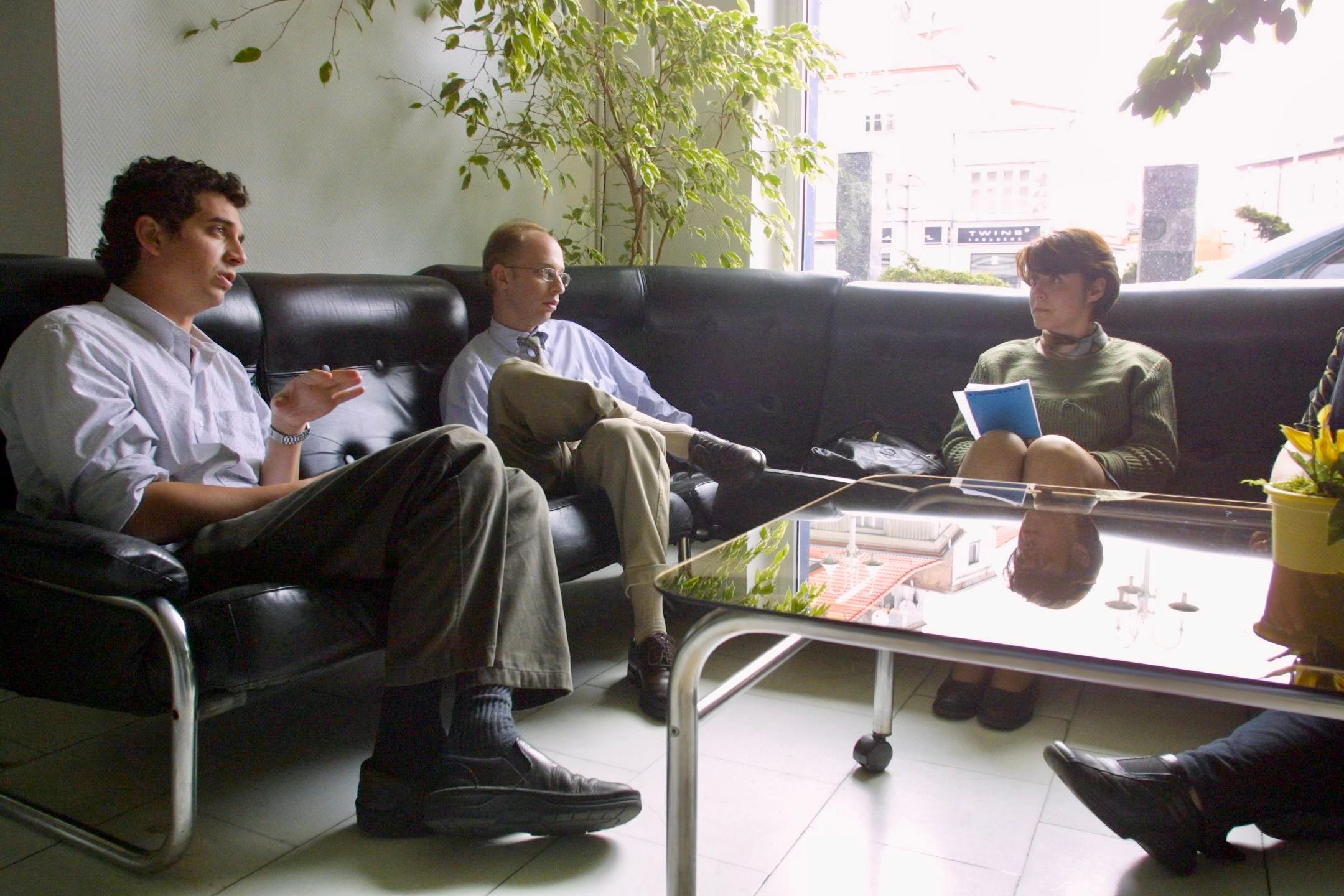
I was recently asked if I remembered the first team I ever managed. The answer is yes, but I don't think I managed them as much as I learned what it takes to earn—and keep—their trust while still figuring out what it meant to be a manager.
Fully aware that I didn't want to be a "my way or the highway" or "my way is best" type of manager, the editors and reporters who made up my team sensed my reticence to have difficult conversations and my tendency to gravitate towards work that I enjoyed—like conceptualizing series or special projects.
I loved sitting with reporters, hearing their early ideas, and helping them figure out what the story or project could look like. This often meant punching above our weight, sending reporters around the world to cover wars or natural disasters. Once a reporter of ours who was in Sarajevo covering the war stepped onto the elevator with Todd Koppel, who couldn't believe that a small newspaper in Passaic, NJ had sent a reporter there. But then again, we had readers on both sides of the conflict. For them and therefore us, this was a local story. I remember when the reporter called us via satellite phone to share the interaction, and it was the coolest thing for him AND everyone back in the newsroom. But at times, the conversations happened sans the assigning editor—yeah, I know, not good—but they occurred organically and I would just get caught up and not pause to say "hey, Jonathan should be here, can you get him?" Lesson learned.
While that work endeared me to my reporters and allowed me to earn their trust, my managers and editors weren't quite as taken by me doing what they perceived to be "their" work. So, as often as possible, I tried to roll up my sleeves and help my editors.
I used to tell them that you don't have to know as much as your reporters and don't need to be able to do their jobs better than them, but you do need to know enough to be good mentors, coaches, and, when necessary, helpers.
I'm not sure that Poynter's Essential Skills for Rising Newsroom Leaders existed at the time, so for someone like me who had essentially leapfrogged into a leadership role, I was left to figure much of it out on my own. That meant reading books on management, articles on leadership, and much experimentation. The problem with the more self-directed approach is that it required me to apply concepts and strategies from automotive companies or large consumer-facing organizations and figure out what they could mean and how they could be applied to our little newsroom.
The industry, at this point, was already different from when I started. Then relationships were built in the newsroom but strengthened over a beer (or two, three, or four) at the nearby bar or restaurant. Brainstorming, staff development could happen over dinner and a few bottles of wine. But at this point, a cultural shift had already taken place and that was in the past.
I don't recall much focus on culture, mental health, or work-life balance; everything was about the product, which, in this case, was the daily product. Reward was the exclusive, beating the competition, tackling corruption, or crime. Celebrations were handshakes instead of trophies, although we did have the Golden Gourd at one point. I don't even recall if there was ever a staff retreat. There were brown bag sessions and lots of sharing, but that all happened organically instead of on a set schedule.
As I've been writing about trust this week, I realize that my first management experience taught me something fundamental about its origins: Trust isn't built through authority or perfect processes—it's built through consistent actions that show you're invested in people's success.
My reporters trusted me because I championed their ambitions, even when it meant sending someone to Sarajevo on a small-town budget. But I nearly lost my editors' trust by cutting them out of conversations that should have included them. The lesson wasn't about choosing sides—it was about understanding that trust requires different currencies with different stakeholders.
For new managers: Your team is watching how you handle competing loyalties. Do you advocate up for their ideas? Do you respect the people who've been doing this longer? Trust builds when people see you're trying to make everyone successful, not just the people you naturally connect with.
What was your biggest management lesson from your first team? I'd love to hear about the moment that changed how you think about leadership - drop a comment below to share your story. Know someone who would benefit from this insight, don’t hesitate to hit share.