

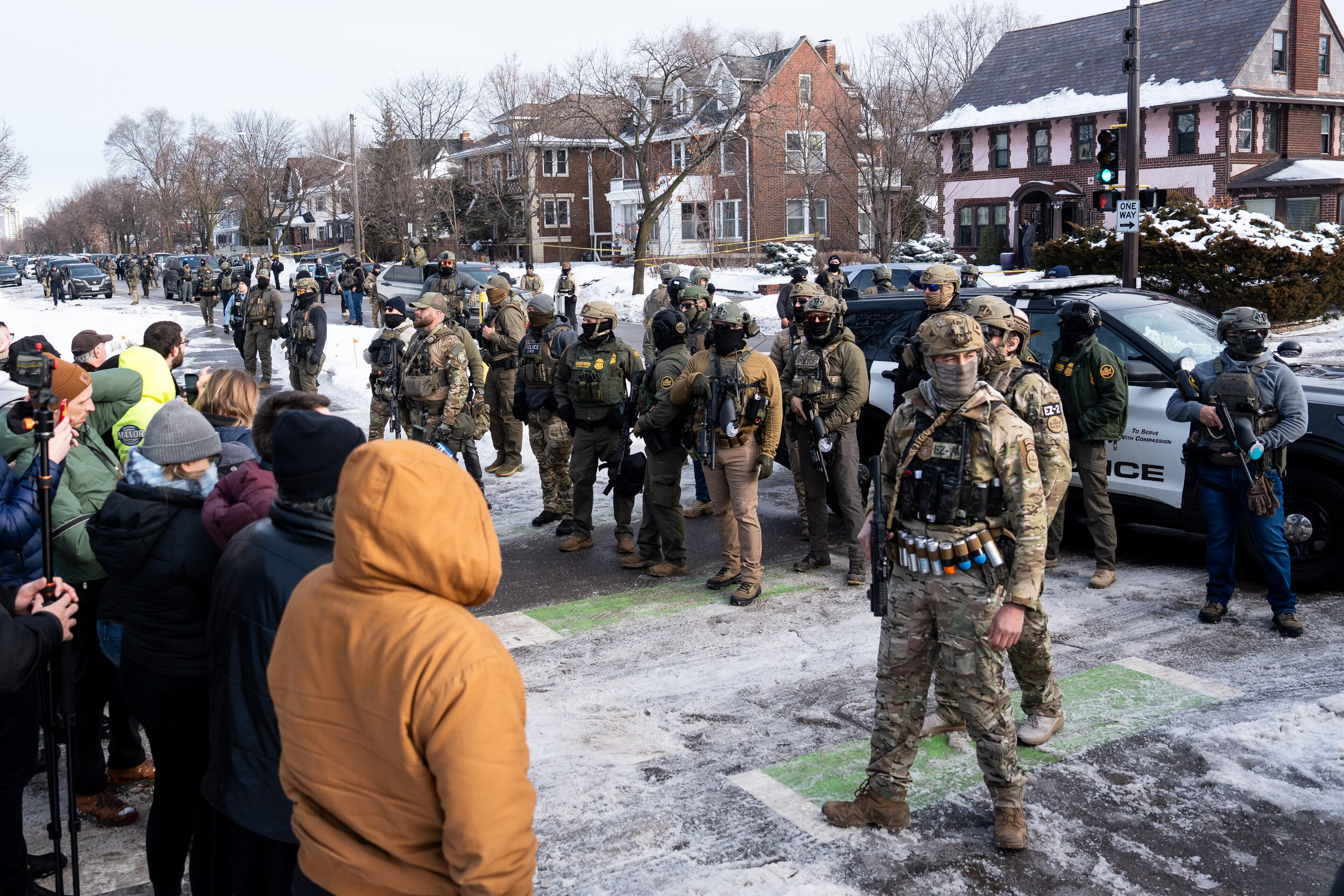
Minneapolis is being put through the wringer right now. Reporters on the ground are covering a surge in federal immigration enforcement in the wake of the shooting death of Renee Nicole Good.
As ICE activity escalates and community tensions rise, journalists are working in an increasingly hostile environment—one that requires body armor, not just notebooks.
They are doing critical, information-disseminating work. But this feels different from previous crises. The convergence of bodily danger, community trauma, and aggressive federal enforcement has created a highly volatile environment for the press.
The immediate problem is physical safety. Legacy publishers have legal teams on retainer and corporate insurance. Freelancers and independent creators do not. If a camera gets confiscated or a reporter gets tear-gassed, an independent journalist is on the hook financially for everything.
The barrier to safely covering this in the field is high. Body armor isn’t cheap. Trauma kits cost extra. Minneapolis needs its own standing safety fund—like Chicago’s Essential Equipment Fund that provides up to $500/year to local journalists—but that infrastructure doesn’t exist yet.
If we want these stories covered, we have to take care of the storytellers. Bolstering the local news ecosystem in real-time demands more than goodwill and likes. Below is a breakdown of what is happening on the ground in Minneapolis and the tactical ways you can help right now.
1. Help Buy Safety Gear for Reporters on the Street
Journalists running toward danger need protective equipment now. Since there is no standing, localized safety fund in Minnesota yet, national organizations are stepping in to fill the gap.
How you can help:
Crisis Ready Media’s Protect the Press Fund: This nationwide fund distributes body armor, helmets, trauma kits, and safety training to freelancers who need it most.
IWMF Emergency Fund: For women-identifying journalists, this fund provides rapid grants for PPE, replacing broken equipment, and trauma kits.
SPJ Journalists’ Safety Fund: A national grant resource distributed by the Society of Professional Journalists directly to newsrooms or freelance journalists.
2. Support “Community Defense” Journalism
Nonprofit newsrooms aren’t just reporting in Minneapolis; they are actively building rapid-response infrastructure to help communities defend themselves.
Sahan Journal, which covers Minnesota’s immigrant communities, has created a real-time feedback loop. They are encouraging residents to text their immigration reporter directly if they spot ICE in their neighborhood.
How you can help: Set up a monthly recurring donation to Sahan Journal, MinnPost, Minnesota Public Radio, or the Minnesota Reformer. Monthly donations allow these newsrooms to budget for safety and extra field hours rather than reacting to a crisis after the fact.
3. Fund Newsroom Capacity Directly
The Star Tribune’s Local News Fund, which launched last fall in 2024 in partnership with the Minneapolis Foundation, allows the for-profit paper to accept tax-deductible donations to support its journalism.
Crucially, the fund is now prioritizing tactical gear and PPE for its journalists covering the ICE surge.
How you can help: Donate to the Star Tribune Local News Fund.
4. Amplify the Reporting
The best reporting in the world doesn’t matter if the community can’t see it behind a paywall. Recently, the Star Tribune announced it is unlocking unlimited “gift articles” for all of its subscribers for the first time in its history.
How you can help: If you have a Star Tribune subscription, use your unlimited gift links to bypass the paywall and flood your networks with verified, on-the-ground reporting.
We cannot expect journalists to walk into high-risk federal enforcement zones without support. Minneapolis is showing us what is at stake. Let’s back them up.
💬 Help build the resource list
Did I miss a local organization, mutual aid group, or safety fund doing good work on the ground in Minneapolis right now? Drop a link in the comments below so we can keep building out this resource guide.
Minnesota Public Radio is doing an outstanding job of covering events on the ground in Minneapolis. Here's how to support MPR's local newsroom: https://support.mpr.org/news-web
Great story. It deserves more attention. Read this!