
Launch Like You Mean It: What the First 90 Days Actually Teach You
Why trying to do everything from day one stretches teams to the breaking point — and the five principles I wish I'd known before launching a newsroom

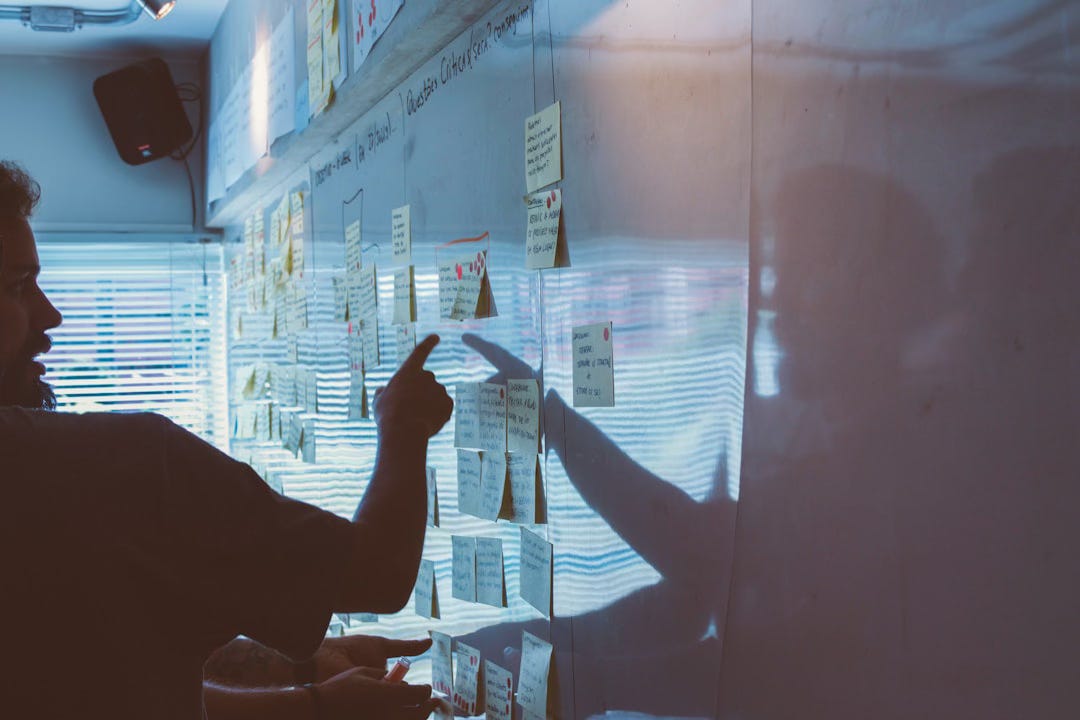
The first 90 days of launching a product or an operation aren't about perfection — they're about priorities.
You don't walk in with a manual. You walk in with a whiteboard, a sense of urgency, and a few too many acronyms. In my career, I've helped stand up multiple editorial operations and non-news products — some with generous funding and long runways, others with duct tape, goodwill, and a countdown clock. Each time, I've learned (and re-learned) that your first moves don't just set the pace — they shape the culture.
I learned this the hard way about six months into building what would become the most ambitious project in Lehigh Valley Public Media's 51-year history.
When Ambition Meets Reality
The moment I knew we were in trouble came during week three of our nightly newscast launch. One of our multimedia journalists called in sick, another was covering breaking news, and we still had four counties to cover before our afternoon production deadline. With no bench and a commitment to produce television every weeknight, we were one flu outbreak away from complete collapse.
Six months earlier, this had all seemed so clear. Legacy media was decimating local newsrooms. Philadelphia stations wouldn't venture into the Lehigh Valley unless there was breaking news or severe weather. Our TV signal reached 12.4 million households across six states. The solution felt obvious: we'd save local journalism by launching our own TV news operation.
Our board approved the plan after months of spreadsheets and financial projections. We hired ten multimedia journalists who would report, write, shoot, and edit their own stories, plus a senior editor and video editor to oversee everything. We bought cameras, laptops, lighting kits, microphones — everything a professional news operation needed. Each MMJ would cover an entire county and live there too. We had crossed every t and dotted every i.
Except we had decided to do everything from day one. Full coverage across 5,600 square miles. Nightly newscasts Monday through Friday. No anchors, no crime, no weather — just pure local accountability journalism.
What could go wrong?
The Questions I Should Have Asked
Instead of leaning in harder (which was my instinct), I should have been asking different questions from the beginning — not "Can we do this?" but "Should we be doing all of this right now?" The real challenges weren't technical or financial. They were foundational:
Are we building what our audience needs, or what we think sounds impressive?
Are we measuring impact or just activity?
Do our systems treat people fairly, or are we asking them to be heroes every day?
How do we know if we're succeeding, and what happens when we're not?
Are we communicating with our team, or just managing up to leadership?
What I'd Do Differently
Looking back, here are the principles I now bring to every 90-day launch — whether I'm building a newsroom, a membership program, or a brand-new product:
Start narrow, then expand. Trying to do everything on Day One is a masterclass in team burnout. Launch with your strongest capability, prove the concept, then scale. We should have started with three counties, not six.
Name your non-negotiables early. Whether it's editorial integrity, work-life balance, or community accountability, define your values before you need them. Crisis reveals character, but character should be built in advance.
Culture eats strategy for breakfast — especially in the first 90 days. Your team will remember how you handled the first major deadline crunch or budget shortfall long after they forget your mission statement. Make those moments count.
Listen before you build. Your team knows where the friction is. Your audience knows where the value is. Don't wait for a crisis to start asking questions.
Success needs a visible scoreboard. Is it impact? Revenue? Reach? Team retention? Define your metrics early and check them often. If you can't measure it, you can't manage it.
The Real Product
I didn't get everything right during those first 90 days — but I learned what not to repeat, and what always needs to come first: people, purpose, and process. Whether you're launching a startup or retooling a legacy system, remember this: the most important thing you build in the first 90 days isn't the product.
It's the culture that will determine whether your product survives to day 91.
🚦Your Turn:
Have you launched something from scratch — an editorial project, a new product, or even a scrappy team? What do you wish you’d done in the first 90 days? Leave a comment — I’d love to learn from your launch story.
And if this kind of behind-the-scenes unpacking is your thing, consider subscribing (it’s free!) and sharing with someone who’s building something bold.