
Making Journalism Relational Again
What Tampa Bay's mobile newsroom—and a billboard campaign in the Lehigh Valley—can teach us about rebuilding trust

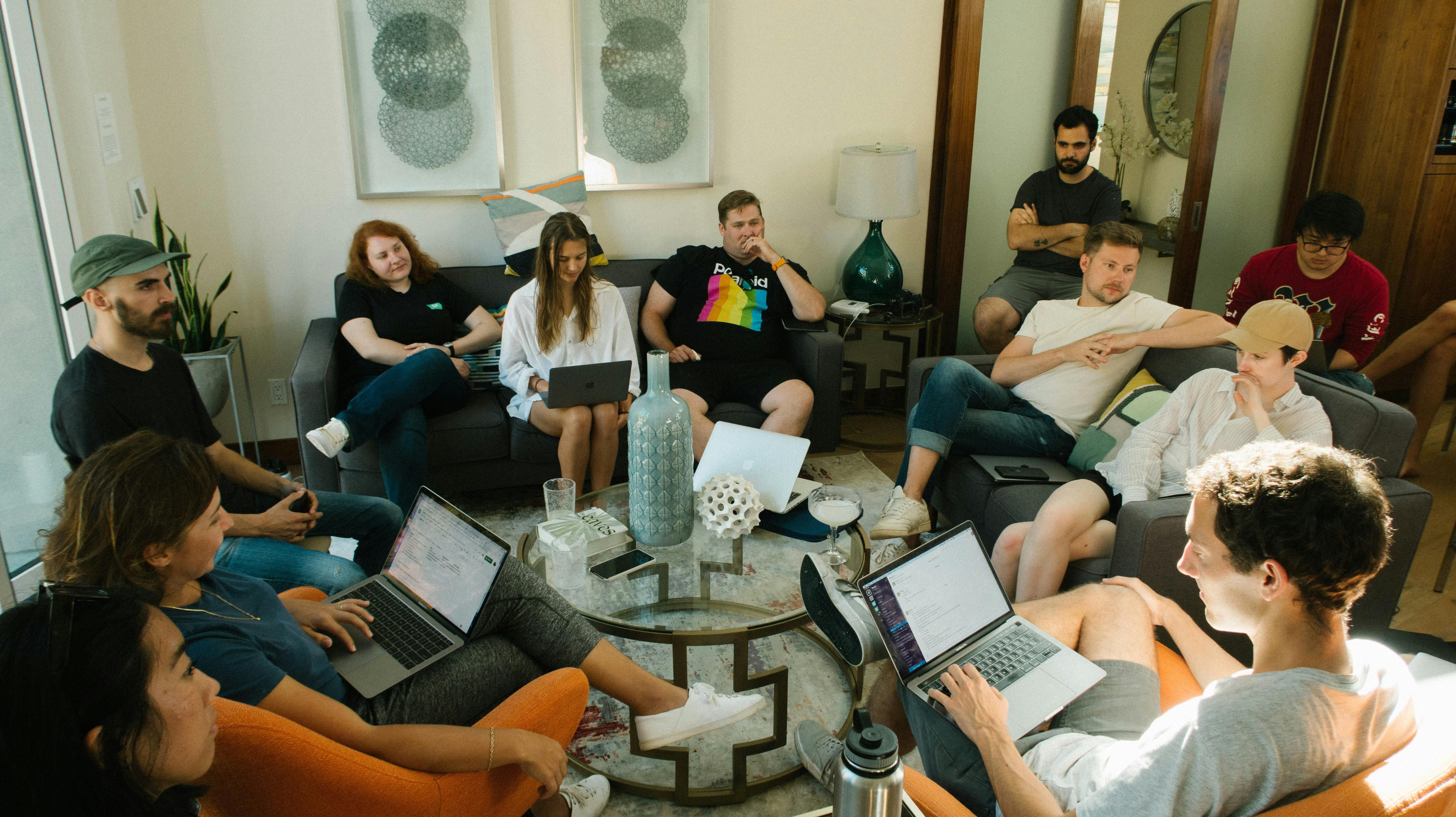
I love the Tampa Bay Times' new mobile newsroom—not because they lost their building, but because of what they're doing with the opportunity.
The Times is reminding readers that their journalists are more than bylines or podcast voices. They're neighbors. They live in the same neighborhoods, send their kids to the same schools, shop at the same stores—and yes, even get frustrated about the same potholes and broken traffic lights.
That proximity matters. Because too often, people see a name on a story or a reporter on TV and think: "That's someone I have nothing in common with."
We Tried Something Similar
This approach isn't entirely new, but it's rarely executed well. When we launched PBS39 News Tonight, we ran a billboard campaign with the same instinct—making our journalists relatable:
"Brittany covers health and is a mom of two."
"Tracy tells local stories and advocates for brain injury victims."
The goal was simple: help viewers see themselves in our team. And it worked. People told us they watched because they connected with our reporters as people, not just news deliverers.
This Isn't a New Idea, But It's a Good One
Almost 20 years ago, I wrote a blog post on Editor on the Verge suggesting that reporters hold "office hours"—the same kind students have with professors. The idea was that journalists should be available outside the newsroom, out in the community, just to talk. Not to chase a quote. Not to get a photo. Just to be there.
Tampa Bay is doing that now. Whether through a pop-up newsroom, a community event, or just a reporter sharing where they're grabbing lunch and inviting others to join—it's a strategy that works. And it chips away at one of journalism's biggest perception problems.
The Transactional Trap
Too often, when a homeowner opens their door to a journalist, it's because the reporter wants something—a quote, a photo, a soundbite. It feels like someone approaching you with a clipboard on the sidewalk: How can I dodge this?
That's a problem. Because as Tampa Bay Times Publisher Conan Gallaty noted on LinkedIn, Pew Research shows that "nearly 70 percent of adults say local newsrooms are in touch with their communities—but only one in five have ever spoken to a local journalist."
No wonder trust is shaky. That disconnect makes journalism feel transactional, not relational.
Changing the Model
Organizations like Hearken have long championed this shift—taking the process of story generation out of internal meetings and into the community. Their model of "public-powered journalism" isn't just innovative, it's connective.
At a time when local news needs readers, revenue, and renewed trust, we need more of this. Meeting people where they are—literally and figuratively—helps transform journalism from a product into a relationship.
Let's do more of that.
I'm planning a Substack series tracking experiments in relational journalism across the country. If you're experimenting with ways to break down the barrier between newsroom and neighborhood, I'd love to hear what's working—and what's not. Drop me a note.