
References: Ritual or Result?
Why a hiring practice born in the Middle Ages has become a meaningless—but necessary—legal ritual.

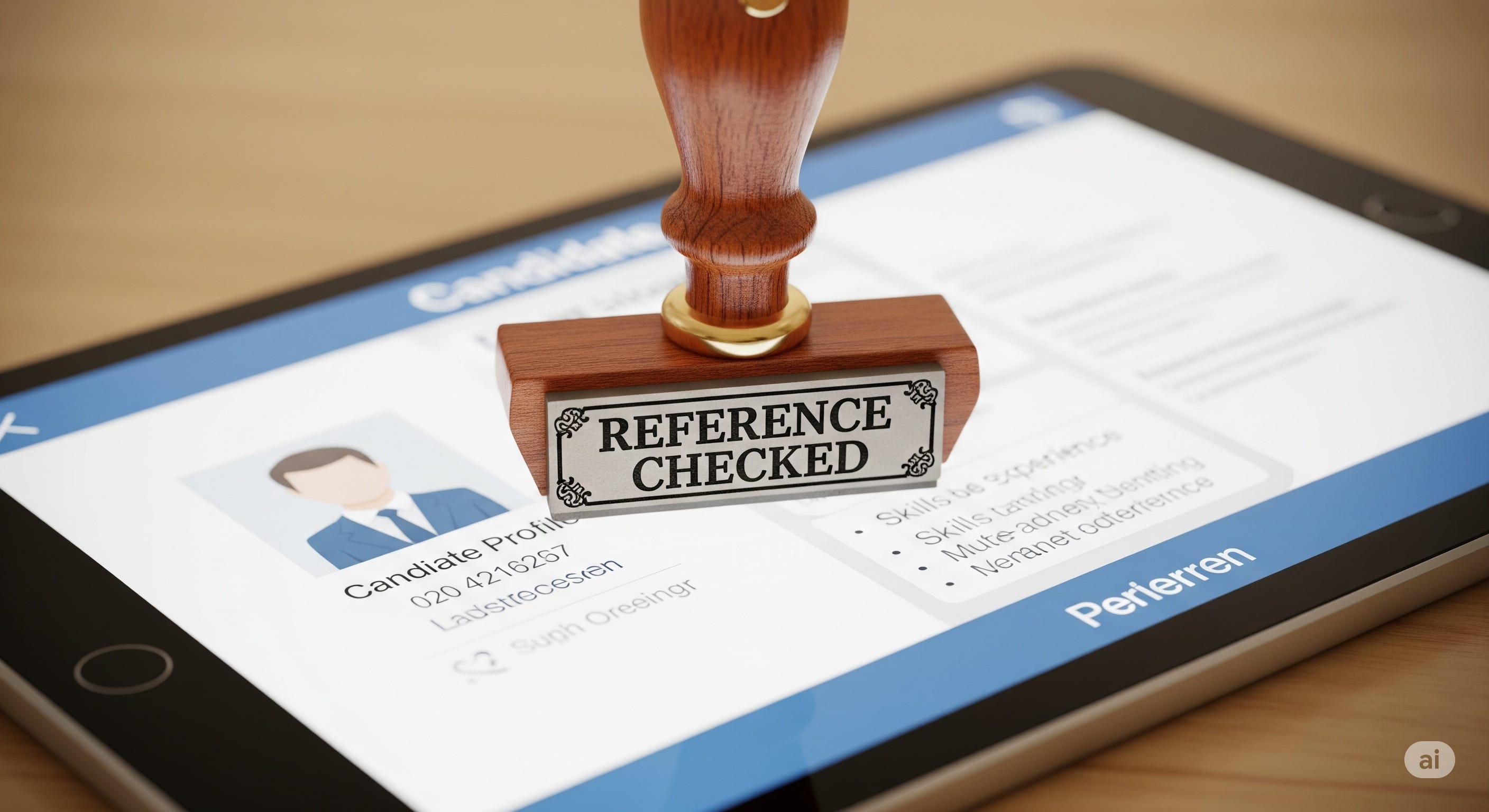
The call for a reference doesn’t come often. The last one I gave? Not even a call. It was an online form from a tool called Checkster. A few clicks, a couple of comments, and I was done.
Efficient, yes. Hollow? Also yes.
It got me thinking: with all the science on hiring, why are we still performing this ritual? The answer is both simpler and weirder than you might think, with roots in medieval guilds and branches in modern lawsuits.
A Medieval Recommendation
No, not really. This is nothing new.
Picture a European town in the Dark Ages. There’s one thing it won’t have: a central repository of resumes and LinkedIn profiles. If you wanted a new job, you had to travel, and the goal was the same: get someone to hire you.
Back then, journeymen carried “recommendations” from their masters or guilds testifying to their skill and behavior. Called a Fidem or Testimonium, it was a medieval character reference that confirmed the bearer had done his time as an apprentice.
When a journeyman left a town, he’d get a new one — a Kundschaft (another German term that’s fun to yell). It functioned as a Yelp review for the worker: “He worked hard. Behaved himself. Didn’t torch the workshop.”
Jump forward a few centuries to the Industrial Revolution. Cities are growing. Factories need workers. Employers want to know: Can this person do the job? And will they steal from the cash drawer?
That’s when the reference system as we know it really took off.

A Brief (Labor) History of References
I confess: I didn’t know any of the above until I started researching this post. Here’s what I found: to a lawyer, our reference system is a regulatory quagmire where the goalposts keep moving. It’s not fun. It’s certainly not helpful.
Anti-discrimination protections: Employers can’t give a bad reference because of race, religion, gender, age, or disability. (Fair. Good even. But it makes employers cagey.)
Defamation liability: Say too much and you risk a lawsuit. It’s why many companies stick to the basics: job title, dates worked, maybe salary.
Reference shield laws: Some states encourage better references by offering legal shields if an employer acts in good faith. (Alaska, for instance, protects you if you’re honest and not malicious.)
Consent and privacy rules: Most states now require written consent. You can’t ask about salary history or irrelevant personal questions.
The double bind: Don’t check references, risk a negligent hiring lawsuit. Do check, find a problem, and fail to act? That’s negligent referral. You’re liable either way.
In short: what was once a professional courtesy is now a risk-managed process that’s less helpful than ever.
The Numbers Don’t Lie
So it’s popular. Common. Ubiquitous. But does it work? Not really.
While 87-96% of companies perform reference checks, the link to actual job performance is a meager r=0.29. (Translation: That’s a weak link, barely better than a coin flip for predicting who will actually succeed.)
And yet… most companies keep doing them.

Why References Are Still a Thing
When you think about it, it doesn’t make much sense. The limitations are real. And yet:
Legal protection: The double-bind problem. CYA in action.
Risk management: The tired-but-true driver of every HR process: safety, quality, compliance.
Resume fraud: Over 40 million Americans admit to lying on a resume. A narrow check can at least confirm dates and title.
Backdoor references: Let’s be honest. The useful intel almost never comes from the official check. It comes from the off-the-record ping: “Hey, what do you really think of this person?”
The formal check? It’s just for the file.
What Works Better
So if formal references are a CYA exercise, what should hiring managers rely on instead?
Work Sample Tests: Don’t just talk about the work — have them do it. Designers mock up a graphic. Editors edit a paragraph. Developers code a function. The correlation with job performance? A strong r=0.54.
Structured Interviews: Same set of questions for every candidate. Scored against a rubric. Twice as effective as the unstructured “let’s just chat” interview.
The upside? They're fairer, too. They test actual skills, not just charisma or who you know.
Ritual vs. Result
Here’s the tell: most reference checks happen after the offer is made.
At that point, the decision’s done. The reference isn’t deciding — it’s documenting. By putting them last, companies quietly admit they don’t think references are all that useful. If they did, they’d use them earlier, when the decision’s still up for grabs.
So next time you’re about to extend an offer, ask yourself: Was that reference call a real tool for selection? Or just a rubber stamp on a decision you’d already made?
Let's be clear: interviews and skills tests make the decision. References just prove the form got filled out.
The question isn’t “Can they do the job?”
It’s “Can we prove we asked?”
PS - If you found this post helpful, would you please consider restacking it and sharing it with your audience?
This spreads the word and keeps me writing the types of content that you have enjoyed.