
The Danger of the Silent Switchboard
When complaints move from phone lines to social feeds, silence is no longer comfort—it’s a warning sign of disengagement.

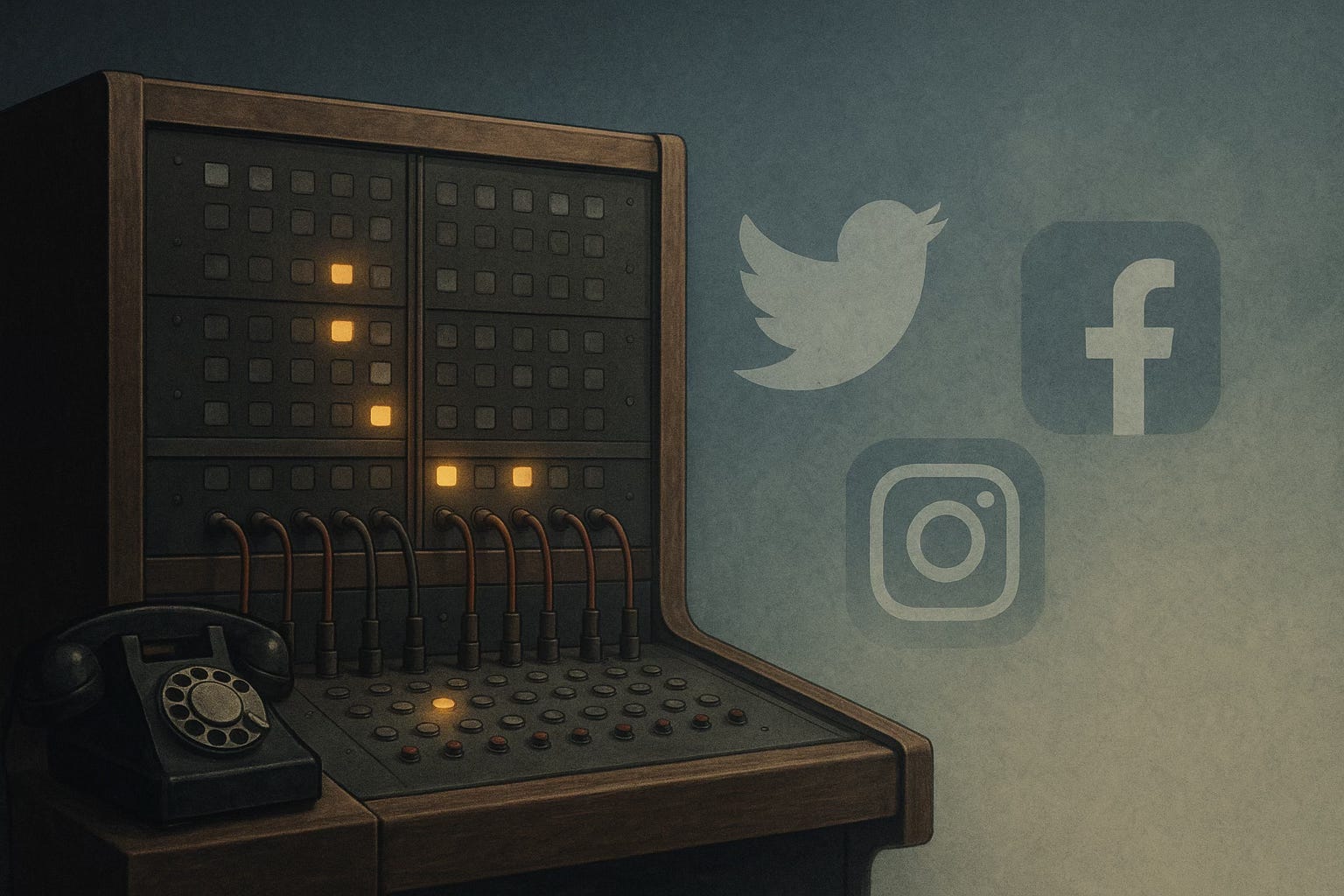
My old news director had a simple rule of thumb: unless the switchboard was lighting up with thousands of calls, no change we made was really upsetting people. I spent years in that Philadelphia newsroom, a place not exactly known for its shy and retiring viewership, and still, the switchboard rarely ever blew up.
Which always left me wondering: did our viewers just stop caring? And I suspect the same deceptive silence is happening in all sorts of mission-driven organizations that rely on public trust, from community nonprofits to local arts groups.
It’s a tempting explanation. But the data shows the opposite. The national complaint firehose is stronger than ever. The FTC saw fraud complaints jump 25% last year. People aren’t quieter; they’ve just moved their complaints to a different stage.
The New Complaint Department
Think about your last bad experience with an airline. Did you spend 45 minutes on hold, or did you fire off a tweet?
That behavior isn’t just venting. It’s expectation. We’ve all been trained by tech companies to expect 24/7 instant gratification and social media feels like the only dependable way to get it. One study found that half of consumers complain publicly online. If the organization doesn’t respond? More than 80 percent won’t recommend it to others.
The Futility of a Public Complaint
Here’s the deeper risk: assuming the only challenge is knowing where to listen. Many people now believe complaining is pointless, no matter the channel. An Arizona State University survey found that 58 percent of people felt their complaints led to nothing. Nearly half of those who complained on social media never even heard back.

Which means the problem isn’t silence. It’s futility. When people believe no one is listening, they stop trying. And eventually, they stop showing up.
The Real Story: Misreading the Silence
Disengagement has become the new complaint.
Instead of picking up the phone to express their frustration, people are just turning away. In news, that looks like growing “news avoidance.” In nonprofits, it’s the client who stops coming to the pantry without a word, the donor who lets their membership lapse, or the volunteer who simply disappears.

It’s also about investment. Complaining, after all, is a sign of engagement. It’s a declaration that you still care enough to want something to be better. When that connection fades, the complaints stop, not because people are satisfied, but because they’ve become indifferent.
And when people do want to be heard, the feedback is far more likely to show up in a Facebook group or neighborhood thread than in your official inbox.
The Takeaway
A silent switchboard may have once been a sign of success. But today, silent phones are a sign we are listening for the wrong signals.
People still care about the issues we work on, but they’ve lost faith that organizations are listening. The challenge for leaders isn’t to stop complaints. It’s about rebuilding enough trust that people believe it’s still worth picking up the phone, whether it's literal or not.

Or as executive coach Dave Stachowiak puts it: “If you hear complaining, it doesn’t mean you are an excellent leader – but it does mean you have made some progress in building trust.”
What about in your world? Where are you seeing the “silent switchboard” effect—staff, clients, donors, audiences? I’d love to hear your take.
PS - If you found this post helpful, would you please consider restacking it and sharing it with your audience?
This spreads the word and keeps me writing the types of content that you have enjoyed.