
The Strategy Behind the Story
The Civil Rights Movement wasn't just history—it was a moral reckoning that succeeded in part through masterclass narrative strategy that forced a nation to look.

I know. It’s Monday. Usually, I am not in your inbox until tomorrow morning.
But I sat down to write this weekend and realized I couldn’t just stick to the editorial calendar. Not today.
I spend a lot of time here talking about product roadmaps. I talk about audience needs and engagement strategies. It is easy to get lost in the tactics of the job.
But then I look at my son.
I look at the world he is growing up in. He is biracial. His experience in this country will be different from mine. But I know that the opportunities he has today were hard-won. They weren’t an accident of history.
They were the result of a strategy.
When we celebrate Martin Luther King Jr. Day, we often focus on the speeches. We focus on the dream. That makes sense. The moral clarity of that era is undeniable.
But as a strategist, I also look at the work.
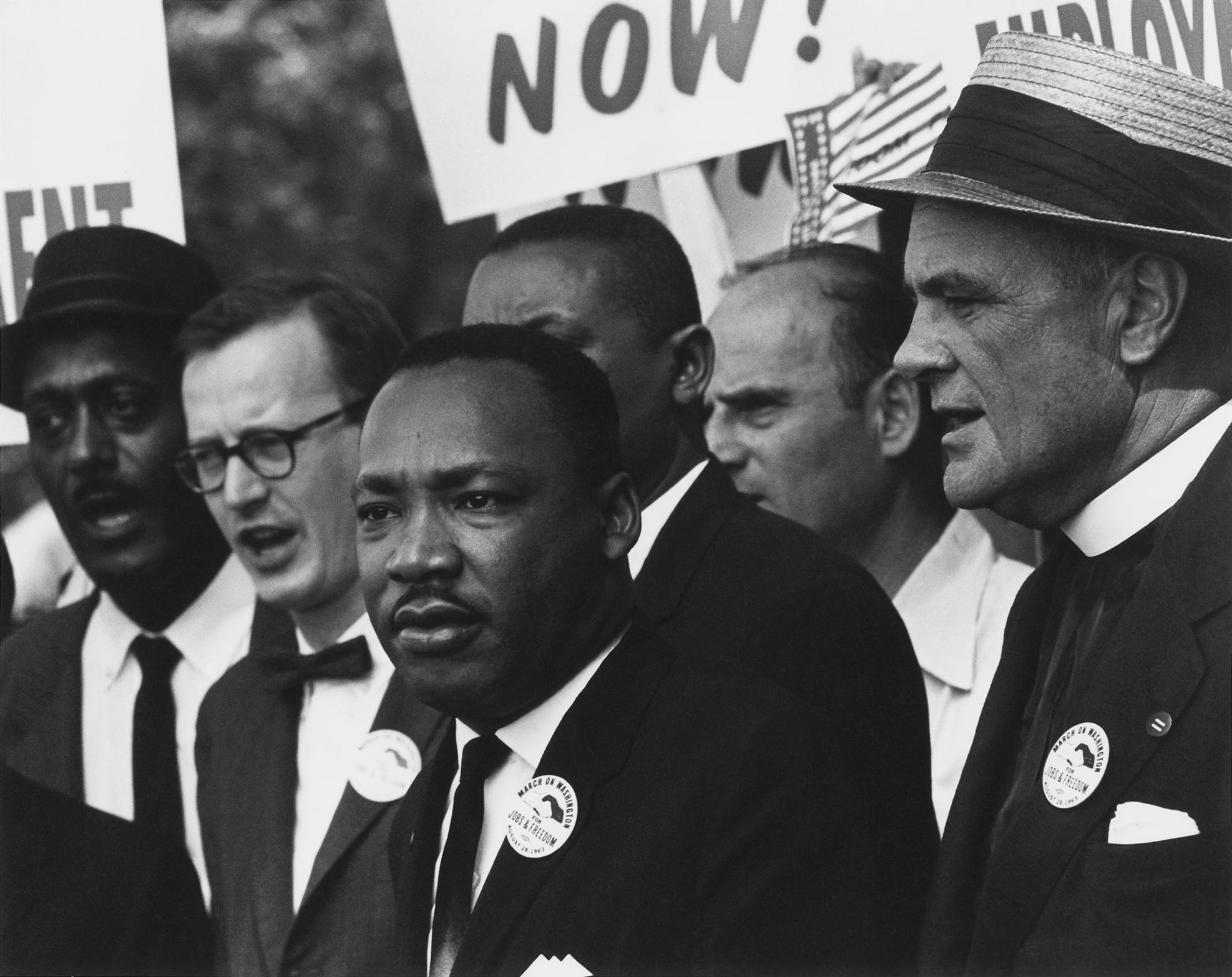
Dr. King and the leaders of the Civil Rights Movement were master communicators. They understood distribution. They knew that a story told in a church basement stayed there. They knew that to change the laws, they had to change the narrative in living rooms across the country.
They didn’t just hope for coverage. They created events that cameras couldn’t ignore. They understood the power of the visual.
They forced the nation to look.
There is a lesson in that for all of us who work in media and communication. The truth is essential. But the truth needs a vehicle. It needs a strategy to be seen.
My son lives in a world with opportunities that didn’t exist because those strategists succeeded. They managed to tell a story so compelling that it reshaped the country.
So I am taking a pause from the usual product deep dive today. I just wanted to acknowledge the backstory that allows him to have that future.
I will be back to our regular schedule tomorrow.
-Yoni
I am curious what you think. When you look back at history, are there other moments where the communication strategy impressed you as much as the cause itself? I would love to hear your thoughts in the comments.
P.S. — Did this analysis provide you with a breakthrough strategy?
If so, please consider making a one-time tip to support the deep research and analysis that goes into every Backstory & Strategy post.
Additionally, if you found this post helpful, please restack it and share it with your audience. This spreads the word and keeps me writing the types of content you enjoy.