
The Year 1 Report to Stakeholders
One year of Backstory & Strategy: The metrics that resonated, the case for systems over stories, and the operational blueprint for Year 2.

Dear Friends,
It was just a little over a year ago that I logged onto Substack for the very first time and launched Backstory & Strategy. I’ve structured this anniversary post as a “report to stakeholders” because if you are reading this, you have a vested interest in the architecture of our industry. My pledge back then was a simple one. I wanted to author stories behind newsroom growth, reflections on leadership and trust, lessons from audience strategy, and a look at the human side of building things that actually matter.
In the beginning, I was writing five or six days a week. Within six months, I crossed the 200,000-word mark. That pace was unsustainable, but I don’t regret the output. What I did regret was drowning you in content. So I pulled back, found a better rhythm, and settled into publishing two or three times a week. It turns out that pace is a lot more digestible for both of us.
Substack ranks “Top Posts” by looking at overall engagement, a mix of your likes, comments, and shares. Based on their math, these five pieces resonated the most this year:
How to Support the Journalists on the Ground in Minneapolis Right Now: On assessing physical risks and funding newsroom safety.
Unbundling the Pledge Drive: Why the “Viewer Like You” model is broken, and how to fix public media without federal funding.
The Ghost Market Fallacy: Why CBS and WaPo burn their actual audiences to chase a demographic that doesn’t exist.
Saved From What?: On why industry “rescues” can act as a tax on the very ecosystems they claim to protect.
FACE Act & Press Freedom: What the DOJ’s new conspiracy theories mean for reporters covering protests.
But metrics only tell part of the story. Left to my own devices, I found myself repeatedly drawn back to the unglamorous plumbing of journalism. Things like hyperlocal economics, the dysfunction of funder-centric coordination, and product thinking as an alternative to our default, “story-first” editorial mindset.
I work hard to make sure these pieces aren’t just random commentary. They are meant to be the building blocks of a coherent, structural argument about our infrastructure. That is why I keep returning to specific blueprints. The Last Mile series looked at why national JSO tools never reach local newsrooms. The 160x Efficiency Play argued that investing $3,750 per newsroom in coordination infrastructure does more good than throwing $600k in direct grants at elite institutions. I wrote the Sebastopol Protocol as a $330k operational blueprint to professionalize hyperlocal news. And pieces like Too Big to Fail and Categorical Contagion looked at how institutional collapse suppresses confidence across the whole industry, even among models that are structurally unrelated to the one that failed.
There is a running theme here. In When the Diagnosis Becomes the Disease, I argued that constant crisis messaging actually scares away the paying audiences we are trying to attract. The industry keeps telling the public that journalism is dying, and then wonders why they won’t invest in it.
My goal in all of this is not to be a curmudgeon. A curmudgeon complains without proposing anything. I almost always follow a critique with a specific structural alternative, usually with actual dollar figures attached. That isn’t grumbling. That is blueprinting.
I also don’t see myself as a pure, adversarial critic. I try to grant credit where it is due. The Press Forward piece acknowledges that they built something real for funders. The Pittsburgh Post-Gazette piece concedes the acquisition beats an Alden takeover or outright closure. I want to be disciplined about naming what works before pressing on what doesn’t.
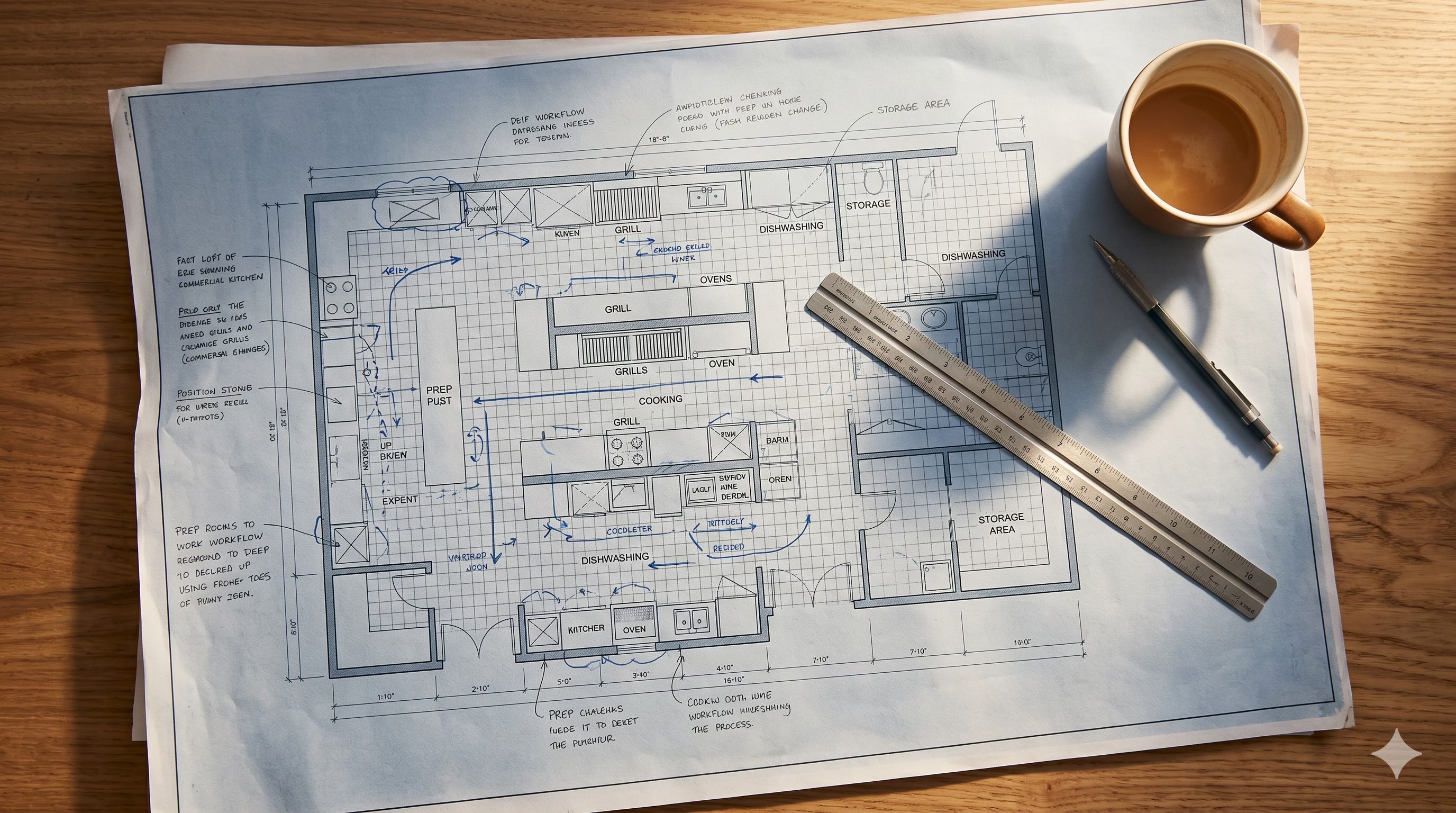
If I had to classify what I do here, the most accurate label is probably structural reformer or systems critic. I am operating from inside the ecosystem, but I am trying to apply an outsider’s analytical lens. Think of the difference between a food critic and a restaurant consultant. The food critic tells you the restaurant is bad. The consultant points out that your kitchen layout forces line cooks to cross paths twelve times per service, and that is why your ticket times are slow. I am not questioning the mission. I am questioning the architecture.
So, what can you expect over the next year?
More blueprints. Deeper dives into the operational plumbing local journalism needs to survive. I have no intention of charging for this work. To everyone who has pledged support anyway, thank you for the immense vote of confidence.
But I want to be honest about what I keep circling. There is a coordination failure sitting at the center of this ecosystem that nobody has fully mapped. Funders, service organizations, newsrooms, and technologists are all building in parallel, duplicating effort, missing connections, and losing leverage that only comes from working in concert. That is where Year 2 starts. Not with a complaint, but with the blueprint.
Best,
Yoni
Join the Strategy Session
Backstory & Strategy is entirely free, un-paywalled, and focused on impact. If you are reading this for the first time, or if you’ve been following along but haven’t made it official, subscribe today to get every weekly blueprint delivered straight to your inbox.
The Precision Layer
Systems criticism requires rigorous structural accuracy. If you spot a factual error, a broken link, or a miscalculation in any dollar figures or blueprints presented here, please let me know so it can be corrected swiftly.