
What Makes a Newsroom 'Work' – and What Breaks It
From Hollywood expectations to newsroom reality: why the best-run newsrooms aren't the ones without problems.

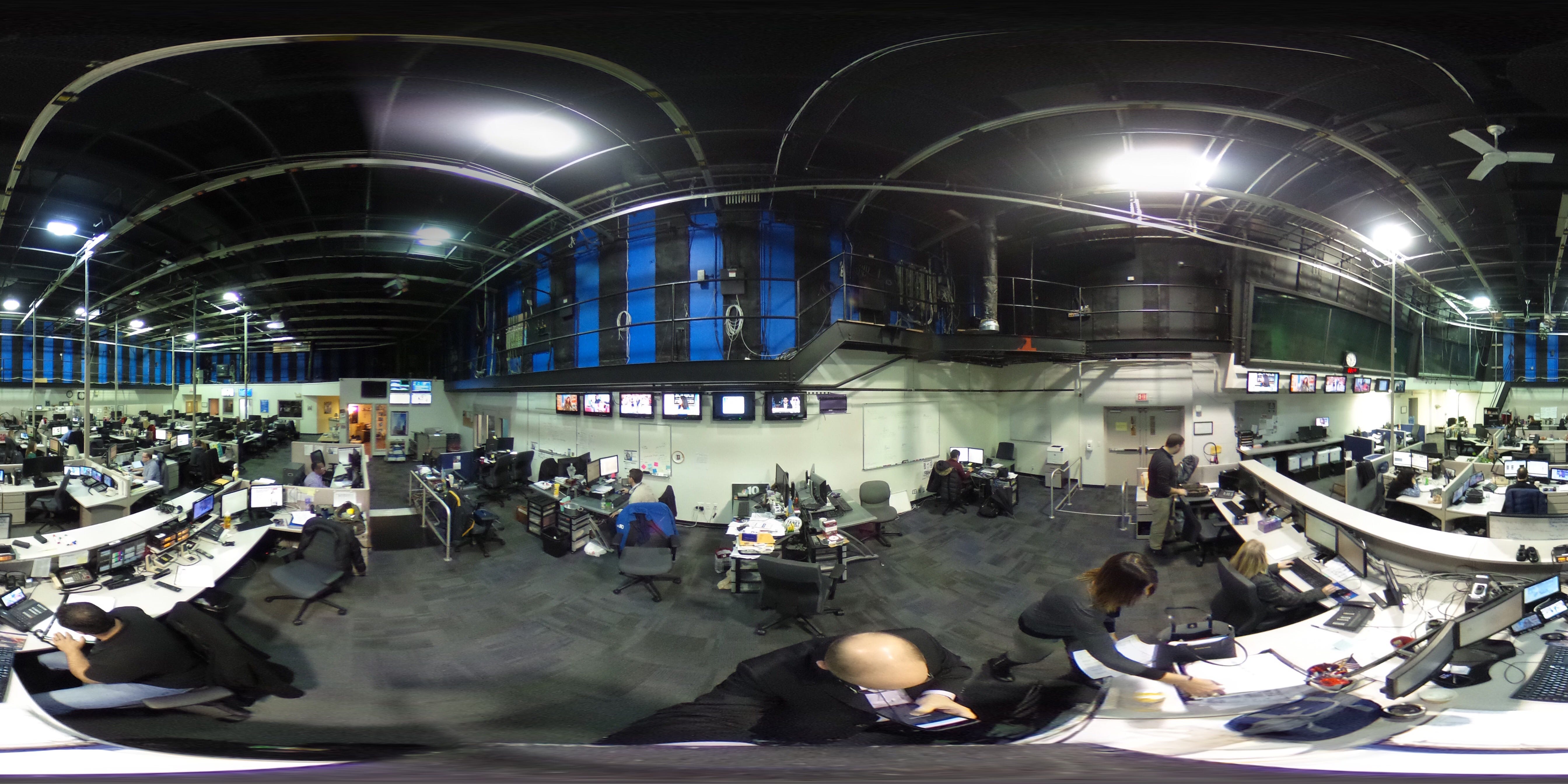
Having spent nearly 30 years working in all sorts of newsrooms—from newspapers to TV and radio and even pure-play digital, from family-owned operations to nonprofit and corporate-owned outlets—I have experienced what makes a newsroom work and what breaks it.
When I started at NBC10 and Telemundo 62 in Philadelphia, it was my first job in television, and all I knew about the industry came from watching the films Broadcast News and Network—probably not the best lessons. I expected chaos, but what I encountered was something different. However, I will admit that I completely expected someone, à la Holly Hunter, to run into the control room with a tape, yelling, "I have it!"
The newsroom was a cavernous, dark, and gloomy space painted black and blue. It was a former TV studio, explaining the two-story ceiling and gangway that ran along the room's perimeter. The News Director at the time believed that people worked better in a cold environment (I think he confused working and sleeping), so he kept it cold to the point that people wore blankets and ran space heaters at their desks. The space was old, dirty, and when humming, crowded.
Off the newsroom was the control room where the engineering staff controlled what you saw on air—at least when they had control of the air, typically the 4-5 times during the day when there was a newscast. If this were a Broadway show, they would do 4 to 5 performances each weekday and 3 per day over the weekend for about 31 shows a week. The control room would have been where Holly Hunter would have gone running with her tape, but now, with everything living in the cloud or on local servers, the most that would happen would be some out-of-breath producer running in and shouting, "I just moved you the file!"
My experience at that point was working in newspapers and with digital startups, so that was my point of reference. However, while they both practice journalism, there are considerable differences between the news created for TV and the news made for newspapers.
TV news tends to be short and quick, a strategy some complain is superficial. However, consultants and research have shown that the average TV news consumer has a short attention span, so the strategy is to pack a 21-minute broadcast with as much content as possible and with anchor chitchat to keep the viewer "entertained." Newspaper content and even digital content tend to be longer and more in-depth, at times even too much in-depth, since the perception is that digital space is "limitless."
As different as a TV newsroom felt from the newspaper newsrooms I worked in, what made them work was really the same: structure, process, and clarity of mission.
This recipe is often the key to success at any organization. Do you have the proper structure and processes to support the mission, and does your team know the processes and understand the mission? It sounds simple, but a lot can go wrong there.
How Structure and Process Support the Mission
Every newsroom tends to be meeting-heavy. Those meetings demonstrate structure, remind the attendees of the process, and reinforce the mission. At many TV stations, the day starts with a meeting all key department heads attend. This meeting is a time to review the previous day's ratings, discuss what worked or didn't work in reporting any errors or mistakes, and discuss any technical issues. That meeting is then followed by the first full news meeting of the day. There is discussion of what has been covered on the early morning news that may need to be followed up throughout the day, what stories need to be assigned, and what reporters are already working on. See? Structure and process. Mission in these meetings is often reinforced without saying the word, but in what the newsroom will and will not cover. All of this gets wrapped into a daily budget.
Now imagine, for example, that a reporter and their photographer don't attend the morning meeting—happens—don't check in with their editor before heading out—also happens—and end up chasing either the wrong story or a story assigned to someone else. Suddenly the lack of process follow-through impacts everything else. Or at a newspaper, when a reporter doesn't pay attention to their deadline or approved story length. The lack of adherence to the process can result in a story arriving too late—happens—or a story coming in too long and requiring a rewrite with limited time—also happens.
I have experienced reporters going to the wrong courtroom because they didn't listen to the voicemail an assignment editor left them, or a reporter believing that they could get more time for their package or more length for their article because "it is so compelling," but failing to get it preapproved. Whether TV or newspaper, the impact is the same: it throws off the process and undermines the structure.
These might seem like small breakdowns, but they create ripple effects. When that reporter misses the meeting and chases the wrong story, what happens to the photographer's schedule? The editor's lineup? The evening broadcast? When one story arrives late at a newspaper, it affects the copy editors, the page designers, the printing schedule. Small process failures cascade into organizational chaos.
What Breaks a Newsroom
So what breaks a newsroom? In my experience, it's rarely dramatic. It's usually slow erosion.
Mission creep is the most insidious. A newsroom that started covering local government gradually becomes obsessed with crime reporting and car accidents because "engagement is up." Everyone knows the phrase "if it bleeds, it leads"—and that's exactly the problem. It's easy content that drives clicks, but it slowly transforms a public service organization into something else entirely. The structure might still exist, the processes might still function, but the mission has drifted so far that nobody remembers what they're actually supposed to be doing.
Structure can become bureaucracy—so many approval layers that breaking news dies in committee. I've worked in newsrooms where a simple story required sign-offs from three different editors, two department heads, and a legal review, turning a two-hour turnaround into a two-day ordeal. The structure was there, but it was serving itself rather than serving the mission.
Process can become ritual—meetings that happen because they're scheduled, not because decisions need to be made. I've sat through countless editorial meetings where people went through the motions of discussing story assignments while everyone checked their phones, because the real decisions had already been made in hallway conversations or private messages.
The most dangerous breakdown happens when these elements become misaligned. You might have clear processes that support the wrong structure, or perfect structure that serves a confused mission. I've worked in newsrooms where reporters dutifully followed assignment protocols while leadership chased completely different priorities, creating a disconnect that frustrated everyone and served no one.
Sound familiar? I'd love to hear about the newsroom breakdowns you've witnessed—or the places that got it right.
The Universal Test
But here's what I've realized after 30 years: these same three elements—clear structure, effective process, and shared mission—determine whether any organization functions or falls apart. I once worked for a CEO who had a simple test: he believed he should be able to stop any team member at any time and ask how what they were doing aligned with our mission—and get an on-point answer. Whether you're running a newsroom, a nonprofit, or a small business, that's the real test.
If your people can't make that connection between their daily work and your organizational purpose, you've found your problem. The fix isn't complicated, but it requires honest assessment of which element has actually broken down.
Are your structures supporting your mission or serving themselves? Are your processes moving you toward your goals or just keeping people busy? And most importantly, can everyone in your organization articulate not just what they do, but why it matters to the bigger picture?
Because in the end, whether you're producing 31 newscasts a week or publishing daily stories or running any other kind of operation, success comes down to the same fundamentals: know what you're trying to accomplish, build systems that support that goal, and make sure everyone understands their role in making it happen.
The chaos I expected to find in that cold, dark newsroom in Philadelphia? It wasn't there because these three elements were aligned. When they're not, that's when the real chaos begins.
If this resonated with you and you'd like to support more behind-the-scenes media analysis, you can buy me a coffee. These stories take time to craft, and your support keeps them coming.