
The "Pivot to Influencers" Is a Trap. (It Is Also Our Only Way Out).
If we treat creators like a marketing channel, we will fail. But if we treat them like community infrastructure, we might just survive.

I read Tracie Powell’s prediction in Nieman Lab yesterday morning and I felt a knot in my stomach.
She argues that journalism’s sudden obsession with influencers is going to age poorly. She predicts it will become a costly distraction that leaves us renting audiences on unstable platforms, instead of building our own community infrastructure.
It is a fair warning. Actually it is more than fair. It is necessary.
We all remember the “pivot to video” and how that turned out. Heck, I even remember working on Pownce. I remember the hubbub about Twitter’s short-lived video streaming platform. We have plenty of scars from chasing the shiny new thing that promised to save us so we wouldn’t have to do the hard work of saving ourselves.
When I read her piece, I found myself nodding along with her skepticism about renting audiences on platforms we do not control.

But I also found myself stopping short of her conclusion.
If we treat influencers as just another marketing channel to buy cheap reach, Tracie is absolutely right. That strategy will fail. It will look foolish in 2026.
However, that is not the work happening at the American Press Institute.
I have only been with the organization since August. But I watched their work in this area from the outside and I admired it. Now that I am on the inside, I see the nuance even more clearly.
I have spent the last year looking at this topic through a product lens. I am not seeing newsrooms sprinting toward influencers just to get famous or go viral. I am seeing them look for help because the old ways of building trust are broken.
We are facing a clarity crisis. We assume people know what we do and why it matters. They don’t.
There are entire communities that have tuned us out. They do not trust our logos. They do not visit our homepages. They do not open our emails.
But they do trust specific people in their feeds.

They trust the local food vlogger who explains why a beloved restaurant is closing. They trust the neighborhood advocate who breaks down exactly what the new zoning laws mean for their rent.
These creators aren’t just “influencers” chasing clout. They are trusted messengers. They are doing the work of explaining the world to their community. In many ways, they are doing the work we used to claim as ours alone.
The mistake is thinking we need to compete with them. The opportunity is learning to partner with them.
In our cohorts at API, we talk about this distinction constantly. It is the difference between a transaction and a relationship.
A transactional strategy uses an influencer to get clicks. That is the “obsession” Tracie is warning about. It is hollow. It builds nothing lasting for the newsroom.
It is also cynical. I suspect Tracie’s deeper fear—and she would be right to fear this—is that legacy media is trying to “rent” credibility with Black and Brown communities rather than doing the hard internal work of earning it. If we use influencers to bypass our own lack of diversity or cultural competency, that isn’t a strategy. That is exploitation.
A relational strategy is different. It uses the partnership as a bridge.

We work with these messengers to co-create journalism that actually serves their audience. We borrow their credibility to introduce ourselves to people who would otherwise never listen to us. We don’t just want the view count. We want the handshake.
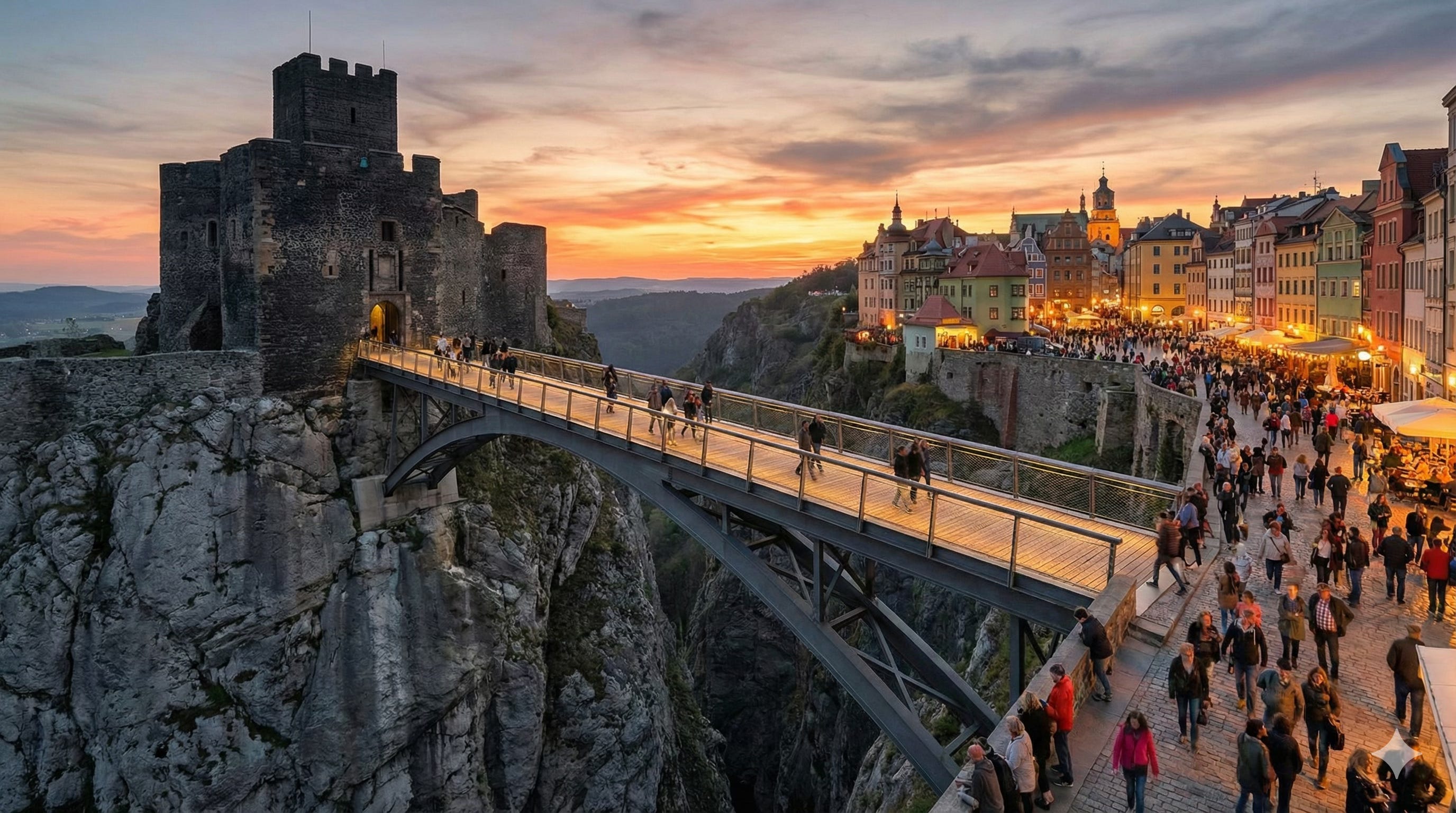
The goal isn’t to stay on TikTok or Instagram forever. The goal is to use that connection to walk people across the bridge. We want to guide them from the chaotic open ocean of social media into the calmer waters of our own newsletters and events.
We want to move them from a borrowed platform to an owned relationship.
Tracie is right that the platforms are unstable. Building your entire house on someone else’s land is bad strategy. But refusing to visit the places where people actually live is bad strategy too.
We cannot just sit in our owned castles and wait for people to come back. They aren’t coming back on their own.
We need guides. We need translators. We need partners who speak the language of the spaces we lost.
So yes, the obsession with “influencers” as a magic savior will age poorly. Magic bullets always do.
But the work of building bridges? That never gets old.
Let’s talk about it: Do you have “Pivot to Video” PTSD when you hear the word influencer? Or have you found a creator in your community who is actually bridging that gap effectively? I’d love to hear if you are seeing this work as a transaction or a relationship in your own newsroom. Let me know in the comments.
P.S. — Did this analysis provide you with a breakthrough strategy?
If so, please consider making a one-time tip to support the deep research and analysis that goes into every Backstory & Strategy post.
Additionally, if you found this post helpful, please restack it and share it with your audience. This spreads the word and keeps me writing the types of content you enjoy.